Ohio Commercial Building Pressure Washing Guide: Navigating Seasonal Pollen, Algae, and Winter Salt Stains
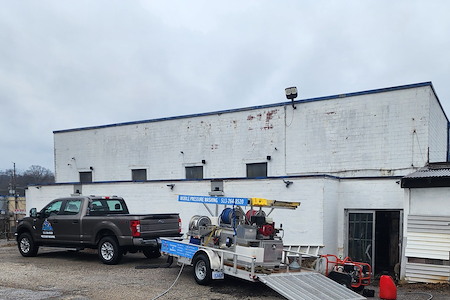
Property managers across Ohio know how fast exteriors can change. Spring trees dust storefronts with yellow pollen, humid summers feed green algae, and late-winter salt leaves white streaks that dull even newer facades. This guide shows how Weathered Woof Xterior Cleaning, LLC plans and performs Ohio commercial building washing on a steady schedule so your centers look consistent month after month.
If you need a targeted service for plaza facades or multi-tenant buildings, our team can help with a material-safe approach. See how our commercial building washing service is designed for Ohio conditions and common exterior systems.
Why Ohio Buildings Need a Seasonal Plan
Ohio has four distinct seasons and fast weather swings. In March and April, oak and maple pollen coat walls and window frames. By July, warm air off Lake Erie and the Ohio River keeps surfaces damp, which invites algae on north and shaded walls in Cleveland, Cincinnati, Columbus, Dayton, Akron, and Toledo. From December through March, de-icing brines and plowed snow splash salts onto lower wall panels and split-face block. Without a plan, these cycles stack up, and stains set deeper into textured finishes.
Visual impact matters. Algae halos around tenant signs, drip lines below canopies, and salt tide lines at pedestrian height all signal neglect. A steady schedule, paired with surface-appropriate chemistry, protects curb appeal and the life of your materials.
Tri-Annual Building Washing Schedule for Ohio Properties
- Late Winter Rinse and Neutralize, February to early March: Address salt and brine residue on lower walls and entry columns. Focus on windward corners along busy corridors like I‑70, I‑71, and I‑75 where splashback is strongest.
- Spring Pollen Reset, late April to May: Remove sticky tree pollen and bud droppings before they bake onto EIFS and composite seams. This also clears organic food sources before summer humidity rises.
- Mid-Summer Algae Treatment, July to August: Treat north elevations, shaded loading zones, and areas near irrigation overspray. Aim for uniform color across long runs of EIFS and split-face block.
These visits keep walls bright while reducing dwell time and chemical strength each round. Most retail plazas and medical or office parks across Ohio perform best on this cadence, with spot touch-ups after major storms.
Material-Safe Cleaning Mixes and Methods
Different claddings need different approaches. Our technicians tailor flow, pressure, and chemistry to the surface and current soil load. Below are typical professional ranges used to protect finishes and achieve a uniform look.
Composite Panels and Metal Systems
Composite and coated metal panels scratch and streak if cleaned too hot or with harsh solvents. We use a neutral detergent with a light organic lift where needed:
- Detergent-only wash or up to 0.25% to 0.5% available chlorine when organic films persist, paired with a non-ionic surfactant.
- Very low pressure, wide fan tip, and soft-bristle agitation on heavy traffic zones around entries.
Avoid high pressure at joints and fasteners to protect sealants and coatings. Rinse top-down to prevent tiger striping on glossy panels.
EIFS Stucco and Acrylic Finishes
EIFS is porous and easily scarred. The goal is gentle organic control without driving water into the lamina:
- 0.25% to 0.75% available chlorine with surfactant for algae and mildew, light dwell, keep surface wet, then thorough rinse.
- Nozzle distance maintained to limit pressure on the face, wide fan pattern, and soft-wash delivery when possible.
Never use acid cleaners on EIFS, and avoid heat that can mar acrylic finishes. We test a small, inconspicuous area for color stability on every new site.
Split-Face Block and CMU
Split-face block holds water and salts in its texture, so soils return if trapped residue remains:
- For organic staining, 1% to 2% available chlorine with surfactant, controlled dwell, gentle brushing on deep textures, extensive rinse to pull soils out of pores.
- For salt residue and light efflorescence, start with a long fresh-water rinse. If deposits remain, apply a masonry-safe buffered cleaner per manufacturer directions, often 1:10 to 1:16, pre-wet thoroughly, and neutralize per label.
Pre-wet and keep masonry wet from bottom to top when using any cleaner, then rinse top-down to prevent re-deposit. On integrally colored block, we verify compatibility to protect pigments and avoid etching.
Always test a small area first on every material and color. Ohio’s freeze-thaw cycles and past coatings can change how walls react, so a controlled test prevents surprises and helps match a uniform finish across long elevations.
Controlling Seasonal Stains the Ohio Way
Salt does not stop at sidewalks. Plow spray, passing traffic, and wind carry chlorides onto fascia returns and low parapet walls, especially near busy routes in Parma, West Chester, and Hilliard. A late-winter rinse breaks the cycle before spring pollen binds to those residues.
Algae loves shade and moisture. In Cincinnati’s river valleys and Cleveland’s lake-influenced neighborhoods, shaded elevations and overspray from irrigation keep walls damp. Mid-summer treatments focus on those faces so your plazas stay consistent along the full run, not just at the main entry.
Spring pollen bonds to textured finishes like EIFS and split-face block, so a May reset in suburbs like Dublin, Strongsville, Beavercreek, and Perrysburg prevents yellow film from becoming a blotchy background behind tenant signage.
What Property Managers Can Expect From Our Process
We stage work to respect peak traffic, deliveries, and tenant hours. Our night or early-morning schedule reduces slip risk and interruptions. A typical visit includes a documented walk-through, protection of landscaping and signage, controlled application, and final rinse with photos at agreed vantage points. If your center includes apartments above retail, we can coordinate with your facilities team and extend exterior care to appropriate areas through our residential power washing category where it fits mixed-use needs.
Consistency across multiple sites matters. For regional managers with properties in Columbus, Akron, and Dayton, our crew leads follow the same measurement and photo standards so reports look the same no matter the city. That makes it easier to compare conditions and justify capital planning.
Chemistry Details That Protect Your Investment
Ratios are only part of the story. Water temperature, dwell time, and rinse volume all shape outcomes. We meter chemistry to the minimum effective strength for the soil level we see that day. On high-risk materials like EIFS, we cap pressure to protect the lamina and keep dwell short to avoid moisture migration. On split-face block, we extend the rinse to draw salts and detergents out of pores, which helps slow the return of ghosting and white bloom.
We also watch environmental factors. Wind pushes atomized cleaners farther than you expect, and direct sun speeds drying and can cause spotting. We time cleaning passes for shade on west elevations during summer and use ground protection to keep pedestrian routes dry.
Maintenance Pairings That Save Time
Bundling services around the tri-annual rhythm reduces site mobilizations and keeps facades, walks, and dumpster enclosures looking uniform. Pair wall washing with roof drain checks, canopy undersides, loading dock degrease, and tenant sign face wipe-downs. When exterior work is grouped, tenant complaints fall because everything gets reset in the same window.
For broader categories like plazas, medical offices, and schools, explore our commercial pressure washing options to align building washes with concrete cleaning and other exterior care tasks across your Ohio sites.
Quality Control Checklist for Property Managers
- Walk the site a day after service to confirm uniform color in shade and sun.
- Check low walls and pilasters at pedestrian height for lingering salt halos.
- Review photos from fixed vantage points, then file them for season-over-season comparisons.
- Note irrigation overspray and adjust heads that keep walls damp.
- Log tenant feedback within 48 hours so we can fine-tune the next visit.
A Statewide Plan Built Around Ohio’s Calendar
Our tri-annual approach is simple and predictable, which helps budgeting and brand control. Late winter clears salt, spring clears pollen, and mid-summer resets algae. That routine improves the look of retail corridors from Polaris and Easton in Columbus to Crocker Park west of Cleveland and Kenwood Towne Centre in Cincinnati. It also supports longevity for EIFS, composite panels, and split-face block by matching cleaner strength to the stain, not the other way around.
If your portfolio spans several Ohio metros, we can mirror frequency and reporting across locations so each center presents the same. That keeps national tenant standards in reach and reduces rework after surprise audits.
Get Help Choosing the Right Cycle for Your Sites
Not every property needs all three visits every year. A sheltered office park in Dublin may do well with spring and summer only, while a plaza near salted state routes in Maumee benefits from all three. Share a recent set of elevation photos and we will map the season and elevation-specific needs, then right-size the plan for your goals.
When you are ready to move from one-off cleanups to a dependable rhythm, explore our approach to commercial building washing service and how we stage work around tenant operations and weather windows.
Ready to Protect Your Exterior Across Ohio
Keep your brand strong with surfaces that look clean in every season. Call Weathered Woof Xterior Cleaning, LLC at 513-264-8520 to set up a site walk and seasonal plan, or schedule your next visit through our page for commercial building washing in Ohio. We look forward to keeping your plazas, medical offices, and campuses looking their best all year.