Concrete Cleaning: PSI, Nozzles, and Detergents: A Guide for Cincinnati Business Owners
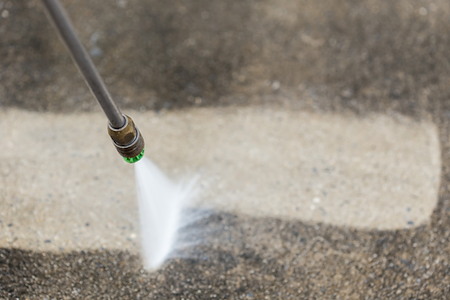
Searching for concrete cleaning in Cincinnati and wondering what really drives a clean, even finish? This guide breaks down how professionals think about PSI, nozzle selection, detergents, and pre-treats so your sidewalks, entries, loading zones, and parking stalls look welcoming and stay safer for customers and staff.
When curb appeal matters, start with the right partner. Our commercial concrete cleaning approach balances power and chemistry to protect your surface while removing oil, gum, algae, and winter salt residue.
What Concrete Cleaning Really Means for Cincinnati Sites
Concrete is tough, but it is not indestructible. In Cincinnati, foot traffic in areas like Downtown and Over-the-Rhine grinds grit into the surface, while deicing salts and freeze-thaw cycles near the Ohio River leave white film, pitting, and dark streaks. Loading zones in Norwood, Blue Ash, and Sharonville collect oil drips, hydraulic fluid, and rust from carts and racks. Each of these needs a different plan.
Using the wrong approach can etch cream layers, expose aggregate, or leave permanent swirls that look worse than the original stain. A professional plan starts with the surface type, soil load, and the finish you expect when customers arrive tomorrow morning.
PSI: Power With Control, Not Just Pressure
PSI gets attention because it sounds like raw power. In practice, it is only one lever—flow rate, nozzle angle, distance from the surface, and tool choice matter just as much. For example, the PSI that is safe on a broom-finished sidewalk may be too harsh on decorative, sealed concrete by your storefront, and not nearly enough for stubborn buildup on a dumpster pad.
Pros think about PSI in context. Higher pressure can speed up removal on durable slabs, but it also raises the risk of wand tracks and speckling. Lower pressure with the right detergent often cleans faster and more evenly. The goal is a uniform, repeatable finish that matches the rest of the walkway.
More pressure is not always better; controlled pressure with even coverage prevents stripes and preserves the surface profile.
Nozzles: Fan Angles, Flow, and Avoiding Tiger Stripes
Nozzles shape the water and spread the energy. Narrow tips hit hard in a small area and can carve wand marks. Wider fans distribute force and rinse efficiently. Matching the nozzle to the job is key to preventing striping.
- Wider fan angles help with general rinsing and even coverage on public sidewalks and plazas.
- Narrower angles are reserved for targeted work on stubborn spots and edges where buildup collects.
Striping vs Tiger Stripes
“Striping” usually means deliberate, overlapping passes that blend with a uniform look. “Tiger stripes” are the opposite: unblended passes or mismatched nozzle spacing leave light-and-dark bands across the slab. They show up fast on sunny days in Hyde Park and Oakley when sections dry at different rates.
The fix isn't simply slower walking. It is consistent overlap, stable pressure, correct nozzle size, and the right tool for large areas. That's why wide open sidewalks are often cleaned with a surface cleaner instead of a wand.
Detergents and Pre-Treats: Match the Chemistry to the Stain
Water alone won't move certain soils. Degreasers break down petroleum and cooking oils, specialty products reduce rust orange stains from bike racks, and other solutions lift algae and organic films that make entrances slick after rain.
Oil Stain Pre-Treat
Parking stalls near restaurants and delivery bays collect oil that migrates deep into porous concrete. A targeted pre-treat gives chemistry time to work so the rinse removes the contaminant, not just the surface shadow. In busy lots, that dwell time is planned around foot traffic and calm weather, so spaces reopen quickly.
Mixing chemicals without a plan can create unwanted reactions or leave residue that attracts new dirt faster. A trained technician selects compatible products and manages dwell times based on temperature, shade, and airflow.
- Grease and oil: Use a purpose-made degreaser with controlled dwell before mechanical cleaning.
- Organic buildup: Apply a cleaner that targets algae and mildew for safer entryways after storms.
- Rust and metal stains: Treat with a stain reducer designed for concrete, then rinse thoroughly.
Surface Cleaner vs Wand: When Each Tool Wins
A surface cleaner is the go-to for wide, flat areas like sidewalks along Vine Street or Kroger parking edges. It delivers a consistent, spinning pattern that evens out minor highs and lows and prevents tiger stripes by design. Edges, corners, thresholds, and around bollards still need a wand for detail work, so the two tools complement each other.
The choice isn't either-or; it is tool sequencing. The surface cleaner lays down a uniform base. The wand finishes details, vertical faces, and tight cut-ins. That is how a plaza looks, even from one end to the other, when the sun hits at noon.
Water Recovery, Weather, and Timing Around Cincinnati
Weather matters as much as equipment. Freeze-thaw cycles in late winter can leave moisture trapped in hairline cracks, and spring pollen can re-soil fresh concrete overnight. Shaded alleys in Clifton stay damp longer, which affects dwell times and drying windows. Bright, hot patios dry fast and may show flash-drying if coverage is uneven.
Scheduling around overnight lows, daytime traffic, and special events keeps your entrances open. Before large cleanings, many businesses post simple notices to guide customers to a different door for a few hours. That little move makes the process smoother and protects the results while the surface cures and dries.
Quality Checklist You Can Expect From a Pro
Commercial concrete sees everything from coffee spills to forklift tracks. A consistent process delivers consistent results, whether you manage one storefront in Mt. Lookout or a multi-tenant site in Sharonville.
- Site walk-through to note stains, traffic patterns, drainage, and nearby sensitive materials.
- Test area to confirm PSI, nozzle, and detergent pairing on your exact concrete.
- Stain-specific pre-treats with controlled dwell time based on temperature and shade.
- Primary cleaning with a surface cleaner, then detail edging and transitions with a wand.
- Thorough rinse to pull soils to drain paths and avoid residue lines at the edges.
- Final inspection while surfaces are drying to confirm even color and finish.
You should also expect clear communication about timing and access. A simple plan for cones, temporary signage, or brief lane closures helps crews work efficiently and keeps pedestrians safe.
How Pros Prevent Tiger Stripes Before They Start
The best way to fix tiger stripes is to never create them. That means calibrated equipment, overlapping passes, and matching water flow to nozzle size. Large areas are mapped so each lane connects cleanly to the next. Edges are treated as a separate task, so there's no rush to “blend” them with the open field.
Pre-treats lighten stains first, which reduces the temptation to hover a wand on one spot. If a stubborn area remains, it gets a targeted treatment after the main cleaning, not during it, so the uniform look is preserved.
If you see different shades as the surface dries, it may not be damage; it can be uneven moisture. Final color evens out as water releases, but permanent banding comes from inconsistent technique.
Local Considerations: Salt, Shade, and Foot Traffic
In winter, salt dust migrates from lots to entry mats and then onto sidewalks. That fine powder bonds to damp concrete and leaves a light haze. Shady corridors along older brick buildings near Over-the-Rhine can also grow algae after a rainy stretch. Both conditions increase slip risk and make clean slabs look dirty within days if they are not addressed.
For sites with heavy morning traffic, many teams schedule early or overnight work. That way, your concrete is dry, even, and ready for open hours. Businesses near schools and hospitals may prefer mid-day windows to avoid rushes. The plan should fit your schedule, not the other way around.
Why Choose Weathered Woof Xterior Cleaning, LLC for Commercial Concrete
Weathered Woof Xterior Cleaning, LLC pairs commercial-grade equipment with stain-specific chemistry and a trained team that works cleanly and safely. We service properties throughout Cincinnati, including Downtown, Hyde Park, Oakley, Norwood, Blue Ash, Sharonville, and nearby suburbs within about a 25-mile radius.
We are a local pressure washing company that understands how Ohio River humidity, seasonal pollen, and road salt affect your entrances and lots. Our crews coordinate with property managers, facility teams, and tenants to minimize disruption. You get clear scheduling, predictable results, and a site that reflects well on your brand.
When to Schedule Professional Concrete Cleaning
If you manage a retail strip, restaurant, office complex, or warehouse, plan cleanings around the moments that matter. Before sidewalk-dining season, after winter salt use, and ahead of major tenant events are common triggers. High-visibility areas like front walks, curb ramps, grease-prone dumpster pads, and ADA routes usually get priority.
When you're ready, choose a partner that brings the right tools for the job. If your facility needs an even finish without banding, consider booking a dedicated concrete cleaning service that pairs surface cleaners with careful detail work at the edges.
Next Steps for Cincinnati Business Owners
Your concrete tells a story the moment customers step out of the car. With the right balance of PSI, nozzle control, and targeted detergents, that story can be clean, safe, and consistent from one end of the sidewalk to the other. Our team will walk your site, mark concerns, and build a plan that fits your hours and traffic flow.
Want cleaner, safer concrete without streaks or surprises? Call Weathered Woof Xterior Cleaning, LLC at 513-264-8520 to schedule your site walk-through and get on the calendar.